
cooking by instinct, made simple
Step-by-step recipes, tips, lessons learned, and a culinary glossary (the Kitchenary) that
makes cooking less intimidating and more fun.
new recipes

Shrimp Aragosta
My copycat of Tomato Street's best dish: Shrimp Aragosta. It is a splurge financially and nutritionally. This is never going to be a cheat meal, but this recipe creates a luxurious pasta dish for 4 to 6 people about the same price as one serving at the restaurant!

Smoky Poblano Enchilada Skillet
A one-skillet weeknight dinner that tastes like Qdoba's smoky queso nachos: homemade smoky sausage, roasted poblanos, fire-roasted green chiles, and beans in a creamy green-sauce blend, topped with melty cheese, crispy tortilla strips, and a sweet-spicy homemade hot honey drizzle. A Blue Apron riff turned copycat-but-better.

Gyro Pizza
An open-faced gyro reimagined as a personal pizza – creamy hummus, seasoned meat, and crisp veggies finished with feta and tzatziki. Make the components ahead or grab them prepared, and the whole thing comes together in ≈20 minutes.
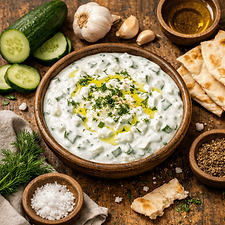
Tzatziki
Cool, creamy, and built for dipping – thick yogurt folded with grated cucumber, garlic, and dill, brightened by a squeeze of lemon. The fresh, garlicky sauce that pulls double duty on gyros, pita, and roasted vegetables alike.
Recent Articles


New to cooking? Lettuce decode the vocabulary!

Your go‑to guide for cooking terms, tools, and techniques - explained in plain English. No jargon, no stress, just tasty wins.

Aromatics
Spices, herbs, and vegetables that are used to form the flavor base and add complexity to many dishes. The aromatics are typically cooked in a fat (oil, butter, lard) at the beginning of the cooking process to release flavors and aromas which carry to the entire dish. Many cuisines have typical combinations such as mirepoix used in French cooking.

Mortar and Pestle
An ancient tool for grinding spices and making pastes, superior to electric methods for certain applications.

Umami
The fifth basic taste, often described as savory, meaty, or brothy, and is triggered by foods rich in glutamate or nucleotides like inosinate and guanylate. Found naturally in ingredients such as aged cheese, tomatoes, mushrooms, cured meats, and fermented sauces, umami provides richness and a lingering, mouth-coating depth to dishes. It enhances and balances salty, sweet, and sour flavors, and emerges through processes like fermentation, aging, and slow cooking. Umami is present in both plant and animal foods and is a powerful building block for developing full-flavored, satisfying cuisine.

Medium Dice
A knife cut creating uniform ½-inch cubes, perfect for stews and soups where even cooking is essential.
Beginner Recipes
Our recipes are detailed and beginner‑friendly, with mise en place built right into the directions. For an easy starting point, try these Level 1 and 2 recipes - straightforward, approachable, and designed to help you get cooking with confidence.

Quick Chili (but full of flavor!)
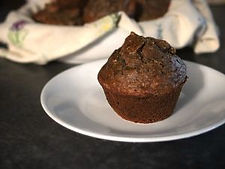
High-Fiber Banana Nut Muffins (with Banana Peels!)

Crisp Chicken Burrito (Taco Time Copycat)

Corn Black Bean Salad with Red Peppers & Shallots
This website is still under construction... what would you like to see?
I know that the foodie landscape is incredibly saturated with websites, videos, pins, photos, and endless content streams. But here's what I believe: every voice that adds genuine value deserves to be heard. Rather than letting the noise deter me from this journey, I've channeled that awareness into developing something truly useful for fellow food enthusiasts like yourself.
Through conversations with passionate home cooks, busy or unmotivated potential home cooks, and food lovers from all walks of life, I've gathered valuable insights about what makes a cooking site and social media presence truly exceptional. Now I want to hear directly from you – because your perspective is what will shape this platform into the resource our community actually needs. If you're willing to invest 5 to 10 minutes sharing your thoughts through the survey below, you'll be helping create something better for all of us.
As a thank you for your time and insights, I'll send you an exclusive bonus recipe that you won't find anywhere else on the site – just provide your email address at the end of the survey!
_edited.jpg)